Table Of Content

You can’t control all of the factors that determine the texture, strength, and amount of hair you have. Still, eating a nutritious, balanced diet helps support your hair growth and prevent deficiencies that could lead to hair loss. Meat is an excellent source of protein, iron, vitamin B12, zinc, selenium, and other micronutrients.
Should I take supplements for hair growth?
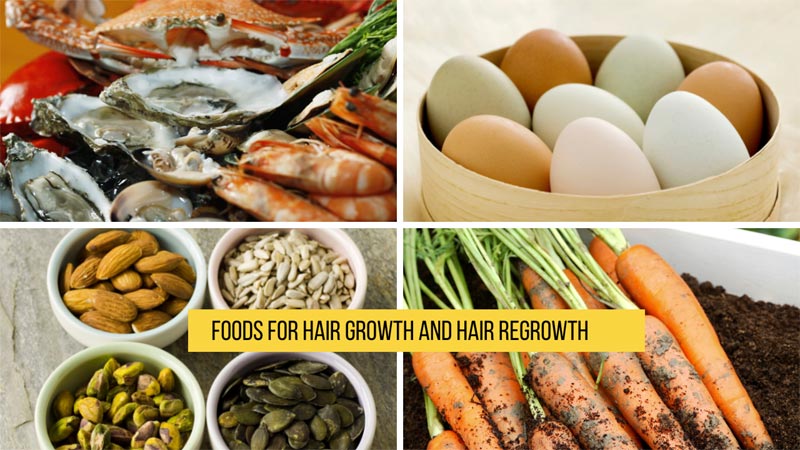
There are a lot of options out there, but we’ve narrowed them down to the top 11 with help from experts and sorting through hundreds of customer evaluations. Behold, the 13 best hair masks for growth to get shiny, bouncy, flowing hair. Berries are a rich source of essential nutrients and antioxidants, which support hair growth by protecting hair follicles from free radical damage.
Collagen
The spuds contain beta-carotene, which the body converts to vitamin A. Just one more reason to avoid vitamin A toxicity by getting it primarily from your food instead of supplements. Lentils are one of the most protein-rich plant foods you can eat, providing 17.9 g of protein per cooked cup, which is nearly 30% more protein than what's found in two large eggs. Lentils are rich in the amino acids needed to support proper hair growth, including leucine, isoleucine, lysine, and valine. Rogaine (minoxidil) and Propecia (finasteride) may be options for helping your hair grow. Additionally, low-level laser therapy (LLLT) and platelet-rich plasma injections are popular in-office treatments that may help improve hair density in some people.
The Best Food for Hair Growth, According to Dermatologists and Stylists - Glamour
The Best Food for Hair Growth, According to Dermatologists and Stylists.
Posted: Thu, 12 Oct 2023 07:00:00 GMT [source]
Should Anyone Not Use Collagen for Their Hair?
Fittingly, the product’s fragrance is inspired by the scent of a rain-touched desert. People who have gout or other conditions that require them to limit protein intake should avoid collagen supplements. There isn't evidence from human studies that collagen taken orally will end up in one's skin, nails, or hair. It aids in the prevention of birth defects and promotes the growth of the baby’s organs, according to a study published in the Journal of Nutrition. A biotin-rich diet will may aid in blood sugar regulation, which is advantageous for those who already have diabetes or are at risk of getting it, as per a study published in Frontier’s Journal.
Yogurt
Spinach is a healthy green vegetable loaded with beneficial nutrients like folate, iron, and vitamins A and C, which are important for hair growth (7). Berries are loaded with beneficial compounds and vitamins that may support hair growth. Eating enough protein supports hair growth because hair follicles are mostly made of protein. Eggs are a great source of protein and biotin, two essential nutrients for hair growth. Sweet potatoes are a superfood rich in beta-carotene, which converts into vitamin A, which boosts hair growth, prevents hair drying, and protects against a dull scalp.
Red Meat
Fatty fish (ie. salmon, herring, mackerel) are good sources of omega-3 fatty acids, protein, selenium, and vitamins B and D, says Dr. Camp. “Selenium is a trace mineral that helps regulate thyroid hormone levels and plays a role in limiting oxidative stress on the hair follicle,” he notes. Rather, eating a balanced, nutritious diet that provides the necessary macro and micronutrients can help hair growth. This includes protein sources like fatty fish and red meat and plant foods high in vitamins and other nutrients like spinach, seeds, and nuts.
She holds a bachelor’s degree in nutritional sciences from Pennsylvania State University and a master’s degree in clinical nutrition from NYU. She is also Good Housekeeping’s on-staff fitness and exercise expert. Stefani is dedicated to providing readers with evidence-based content to encourage informed food choices and healthy living. She is an avid CrossFitter and a passionate home cook who loves spending time with her big fit Greek family. People with some hair loss disorders, including those with androgenetic alopecia, have been shown to have decreased antioxidant activity and higher levels of malondialdehyde in their blood. Elevated levels of the stress hormone cortisol have also been observed in people with hair loss disorders, such as androgenetic alopecia.
All nuts are a fantastic source of protein and other vitamins, but Gorin is partial to pistachios. "These are one of my favorite nuts because they're a complete plant protein," she says. "Protein is very important for the hair, as the amino acids it contains are a building block of the keratin in hair. I love to add pistachios to yogurt and to include them in vegan protein balls." Beef liver is also a great food for hair growth, as it has some of the highest concentrations of vitamin A, vitamin C, and fatty acids, says Gorin. Enjoy 20 full grams of protein when you eat just one 3 oz serving of tuna (i.e. 1/4 of a 12 oz can of tuna or a 3 oz steak). Protein is an essential food for hair growth, and canned tuna is a convienent protein source to keep on hand.
Fatty fish for omega-3 fatty acids and protein
In addition, people who eat fish have a reduced risk of various chronic diseases, and eating fatty fish helps keep the heart healthy, lowering the risk of heart attack and stroke. Brazil nuts are an excellent source of selenium, a mineral that may help boost hair growth. This article looks at the best foods and nutrients to promote hair growth. Greek yogurt is much higher in protein than regular yogurt, with a six-ounce container providing 17 grams of protein, while the same serving of regular yogurt contains just six grams. Low protein intake can cause hair loss and thinning of the hair, so it’s important to consume protein-rich foods with every meal and snack.
You can get your daily serving of iron through spinach, too, which Dr. Penzi notes is also an all-star source for Vitamin A. “Simply eating more spinach will help your hair health greatly,” says Cabbot. Sweet potatoes are high in vitamin A, biotin, and some vitamin C, says Prest, all of which are known to boost your hair growth.
Studies on the effect of collagen supplementation on hair growth tend to be in vitro, on animals, or poor quality. While studies such as these may be a starting point for further research, there is not enough evidence to show collagen supplementation promotes hair growth in humans. 'Peppers are high in vitamin C which acts like an antioxidant and a collagen producer which can assist with hair growth,' says Wheeler.
This mask from Colleen Rothschild is suitable for all hair types, including color-treated hair. Although it contains rich oils and butters to nourish your hair, smooth frizz, and reduce split ends, the formula does its job without leaving behind a heavy, greasy residue. If an infection or another underlying condition that requires medical attention isn't present, and your hair loss isn't bothering you, you may choose to avoid treatment altogether. Supporting your body's natural collagen production is an alternative to taking collagen externally. Collagen production gradually drops as we age, but other factors, such as certain lifestyle habits, can prompt production to drop more quickly.
Eggs are a good source of hair-healthy nutrients like biotin and protein. When you don't have enough of this mineral in your diet, you can have hair loss -- even in your eyelashes. You can also find this mineral in beef, crab, lobster, and fortified cereal.
Selenium concentrations in plant-based foods vary with geographic location and soil content. Authors of a scientific review note that selenium is involved in creating hair. They report that newly forming hair takes up selenium after receiving trace elements from the blood. Unsweetened plain Greek yogurt contains tons of protein, which is the building block for gorgeous hair.


No comments:
Post a Comment